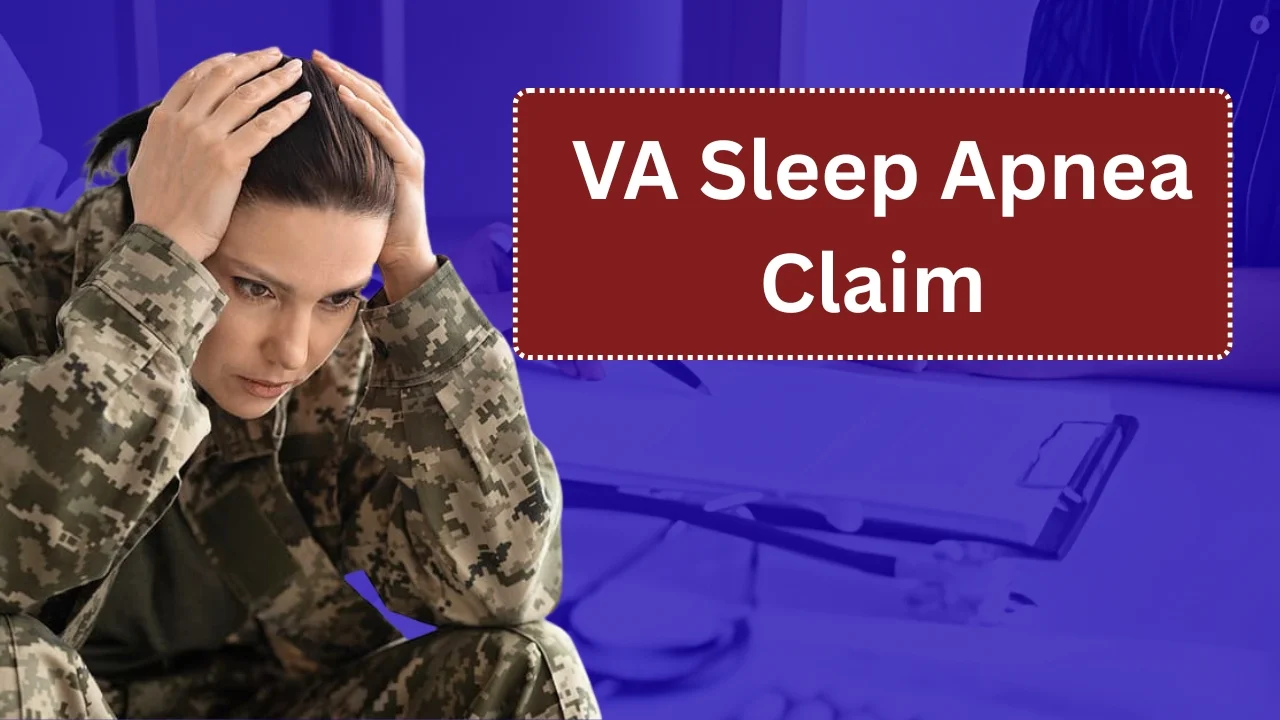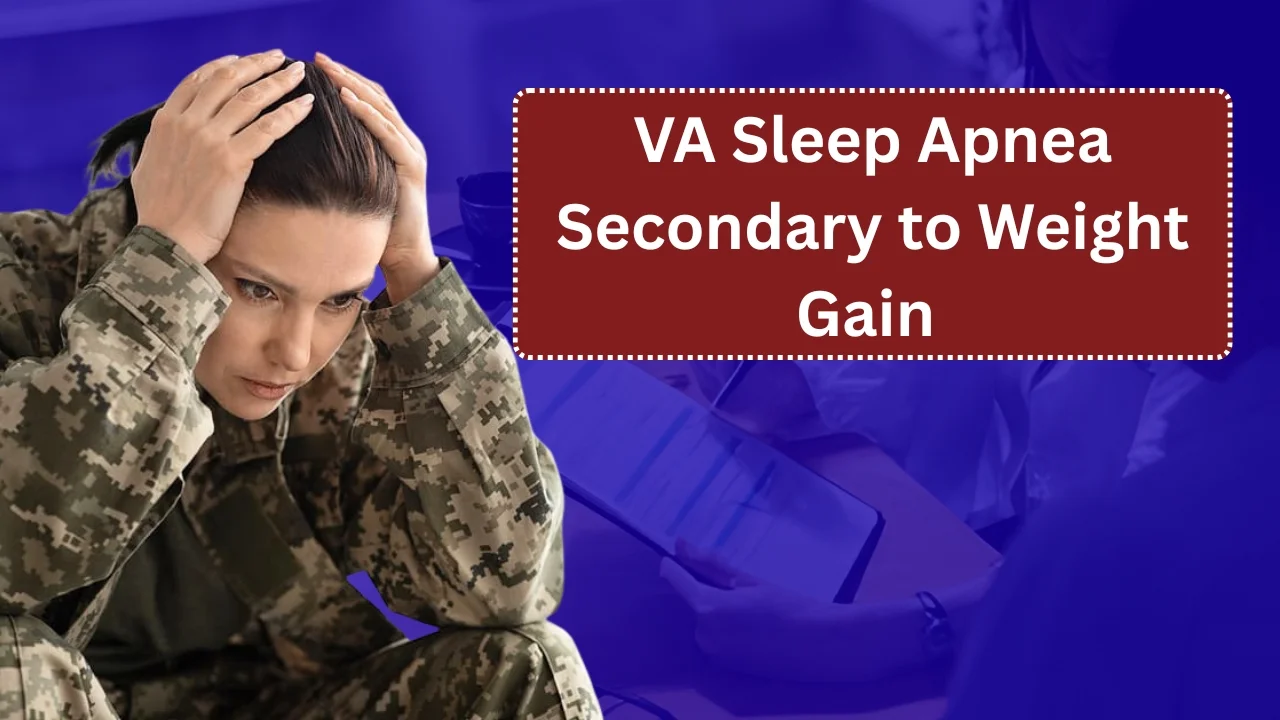
Many veterans are told that sleep apnea is difficult to service connect, especially when it develops years after separation from service. What is less widely understood is that VA sleep apnea can, in certain cases, be service connected secondarily through weight gain when obesity acts as an intermediate step.

Weight gain itself is not a compensable VA disability. However, when a service-connected condition causes or aggravates weight gain, and that weight gain then leads to obstructive sleep apnea, the VA may recognize sleep apnea as a secondary service-connected condition.
A VA-accredited clinician explained, “The VA does not compensate obesity, but it does recognize when obesity becomes the bridge between a service-connected disability and another disabling condition.”
Also Read VA COLA Increase 2026: What Veterans Need to Know About the New Cost-of-Living Adjustment
This guide explains the medical science, legal framework, and evidence required to service connect VA sleep apnea secondary to weight gain.

Overview: Sleep Apnea Secondary to Weight Gain at a Glance
| Category | Key Details |
|---|---|
| Primary Condition | Service-connected disability (e.g., PTSD) |
| Intermediate Step | Weight gain or obesity |
| Secondary Condition | Obstructive sleep apnea |
| Legal Basis | Secondary service connection |
| Key Evidence | Medical nexus letter |
| VA Regulation | 38 CFR § 3.310 |
| Supporting Case Law | Walsh v. Wilkie |
| VA Policy Reference | M21-1 Adjudication Manual |
The Medical Link Between Weight Gain and Obstructive Sleep Apnea
There is a well-established medical connection between weight gain and obstructive sleep apnea. Extensive research shows that obesity is one of the strongest risk factors for both the development and progression of OSA.
One major clinical study found that obesity nearly doubles the prevalence of obstructive sleep apnea compared to normal-weight adults. Veterans with mild sleep apnea who gain just 10 percent of their baseline body weight face a dramatically increased risk of disease progression, while modest weight loss often leads to meaningful improvement.

A sleep medicine specialist noted, “Excess weight changes airway anatomy and breathing mechanics, making airway collapse during sleep far more likely.”

How Weight Gain Contributes to Sleep Apnea?
Weight gain can worsen or cause sleep apnea in several ways:
- Fat deposits in the neck and throat narrow the airway
- Abdominal weight restricts diaphragm movement and breathing
- Chronic inflammation interferes with airway muscle control
- Hormonal changes affect respiratory stability during sleep
Not every veteran with weight gain develops sleep apnea, and not every veteran with sleep apnea is obese. However, obesity remains one of the most significant contributing factors recognized in medical literature.
Can VA Sleep Apnea Be Service Connected Secondary to Weight Gain?
Yes. VA sleep apnea can be service connected secondarily when weight gain serves as an intermediate step between a service-connected condition and sleep apnea.
This legal framework was clarified in Walsh v. Wilkie, which established that if a service-connected disability aggravates weight gain or obesity, and that weight gain substantially contributes to another disability, the secondary condition may be compensable.
For example, a veteran with service-connected PTSD may take medications known to cause weight gain. If that medication-related weight gain leads to obstructive sleep apnea, the VA may grant secondary service connection for sleep apnea.
A VA claims analyst summarized it this way: “If the veteran would not have developed sleep apnea but for the weight gain caused by a service-connected condition, the legal standard can be met.”
VA Requirements for Weight Gain as an Intermediate Step
According to VA policy, all three of the following elements must be supported by evidence:
- The service-connected condition caused or aggravated weight gain
- The weight gain was a substantial factor in causing or worsening sleep apnea
- Sleep apnea would not have occurred without the weight gain
VA guidance is clear that incidental references to weight are not enough. The relationship must be medically explained and supported.
The Critical Role of a Nexus Letter
A nexus letter is essential when claiming sleep apnea secondary to weight gain. The VA requires competent medical evidence explaining the causal chain from the primary service-connected condition to obesity, and then from obesity to sleep apnea.
A physician writing a nexus letter must review medical records, sleep studies, medication history, and weight trends. The opinion must clearly state that the sleep apnea is “at least as likely as not” caused or aggravated through the intermediate step of weight gain.
A VA-accredited provider explained, “Without a well-written nexus letter, these claims almost always fail, even when the medical facts are strong.”
What a Strong Nexus Letter Should Address?
A persuasive nexus letter typically explains:
- The veteran’s service-connected condition
- Medications or symptoms that caused weight gain
- Documented weight increase over time
- Medical research linking obesity to OSA
- Why sleep apnea would not exist without the weight gain
Common Mistakes Veterans Make
Many veterans are denied because they attempt to claim obesity directly or fail to link the entire causal chain. Others rely solely on lay statements without medical opinions.
Another frequent issue is failing to show that weight gain was caused or aggravated by a service-connected condition, rather than lifestyle factors alone.
Veterans advocates stress that precision matters. As one advisor put it, “You are not claiming weight gain. You are explaining how weight gain connects two disabilities.”
Final Thought
Service connecting VA sleep apnea secondary to weight gain is both medically and legally valid when supported by the right evidence. While weight gain itself is not compensable, it can serve as the crucial link between a service-connected condition and sleep apnea.
Veterans who understand the science, the law, and the importance of a strong nexus letter are far more likely to succeed. When properly presented, this pathway allows veterans to receive compensation that accurately reflects the impact of their service-connected health conditions.
FAQs
Can weight gain be rated as a VA disability?
No, but it can be used as an intermediate step for secondary service connection.
Is a nexus letter required for this type of claim?
Yes, medical nexus evidence is essential.
What conditions commonly cause weight gain linked to sleep apnea?
Mental health conditions and medication side effects are common examples.
Does VA policy allow obesity as an intermediate step?
Yes, under VA regulations and established case law.
Is sleep apnea hard to service connect this way?
It is complex, but achievable with proper medical evidence.