A diagnosis of Chronic Lymphocytic Leukemia can be life-changing, especially for veterans who may have been exposed to toxic substances during military service. While CLL often progresses slowly, it can still disrupt daily life, employment, and long-term health. Understanding how the Department of Veterans Affairs evaluates and compensates this condition is critical for veterans seeking financial stability and access to VA healthcare benefits.

For many veterans, CLL is not just a medical condition but a service-connected disease tied to herbicide or chemical exposure. The VA recognizes this link in many cases, making it easier for eligible veterans to secure benefits.
Understanding Chronic Lymphocytic Leukemia in Veterans
Chronic Lymphocytic Leukemia (CLL) is a cancer of the blood and bone marrow marked by the abnormal buildup of lymphocytes, a type of white blood cell. These abnormal cells crowd out healthy blood cells, weakening the immune system over time.

Common symptoms in veterans include persistent fatigue, swollen lymph nodes, frequent infections, night sweats, unexplained weight loss, and easy bruising or bleeding. Some veterans remain asymptomatic for years, while others require aggressive treatment such as chemotherapy or immunotherapy.
According to VA data, thousands of veterans currently receive disability compensation for leukemia-related conditions, underscoring the importance of understanding VA rating rules for CLL.

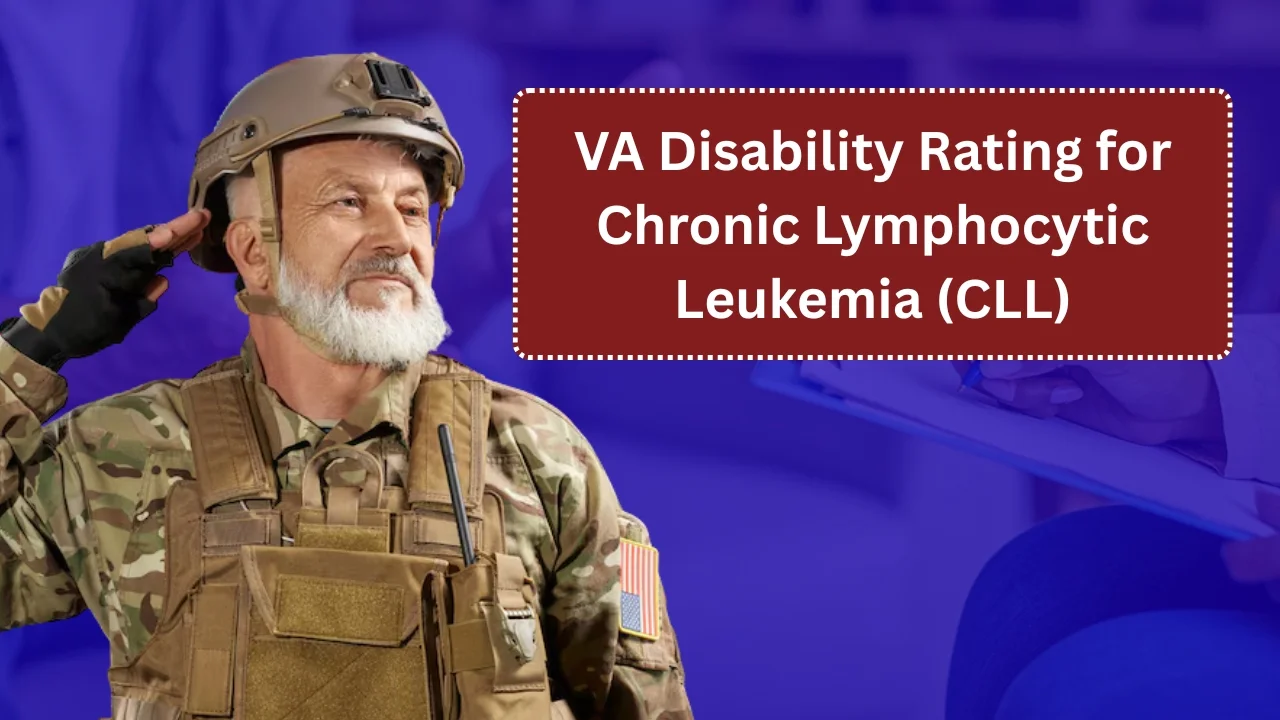
VA Disability Rating for Chronic Lymphocytic Leukemia
The VA evaluates Chronic Lymphocytic Leukemia under Diagnostic Code 7703 in the VA Schedule for Rating Disabilities.
VA Ratings for CLL
| Rating Level | When It Applies |
|---|---|
| 100% | Active CLL or during treatment (chemotherapy, radiation, immunotherapy, surgery) |
| 0% | Asymptomatic CLL with no current treatment |
100% VA Disability Rating for CLL
Veterans with active CLL or those undergoing treatment are assigned a 100% VA disability rating. This rating continues for at least six months after treatment ends, recognizing the ongoing physical toll and recovery period associated with cancer therapy.

A VA oncology consultant explains, “Cancer treatment doesn’t end when chemotherapy stops; veterans often face months of immune suppression and fatigue, which is why the VA maintains a temporary total rating.”

After the six-month period, the VA requires a mandatory examination to determine whether residual conditions remain.
0% VA Disability Rating for CLL
Veterans whose CLL is inactive and asymptomatic receive a 0% non-compensable rating. While this rating does not provide monthly compensation, it still establishes service connection, which is crucial if the disease becomes active again later.
How Residuals Are Rated After Treatment?
Once active treatment ends, the VA evaluates residual conditions separately. These may include:
- Anemia
- Recurrent infections
- Immune system disorders
- Fatigue or weakness
- Secondary cancers
Residuals are rated under related diagnostic codes such as DC 7704 or DC 7718, potentially resulting in ongoing monthly compensation even if the leukemia itself is inactive.
Is Chronic Lymphocytic Leukemia a Presumptive VA Disability?
Yes. Chronic Lymphocytic Leukemia is considered a presumptive condition for veterans exposed to herbicides like Agent Orange.
This means veterans do not need to prove a medical nexus if they served in qualifying locations and later developed CLL. The VA automatically presumes the condition is service-connected.
A VA policy specialist notes, “Presumptive conditions remove one of the biggest barriers veterans face: proving exactly when and how exposure caused the illness.”
Who Qualifies for Presumptive Service Connection?
Veterans may qualify for presumptive service connection if they served in locations associated with herbicide exposure, including:
- Vietnam and surrounding waters
- Certain areas of Thailand
- Korean DMZ service periods
- Other designated exposure zones
This presumption significantly speeds up the claims process and increases approval rates.
Eligibility Requirements for a CLL VA Disability Claim
To qualify for VA disability compensation for Chronic Lymphocytic Leukemia, veterans must meet three basic criteria:
- Current Diagnosis – Confirmed medical diagnosis of CLL
- Qualifying Military Service – Including presumptive exposure or documented in-service event
- Service Connection – Presumed or proven through medical evidence
A veterans’ law attorney emphasizes, “For leukemia cases tied to herbicide exposure, the law is clearly on the veteran’s side.”
How to File a VA Claim for Chronic Lymphocytic Leukemia?
Filing a strong claim improves approval chances and reduces delays.
Step-by-Step Filing Process
| Step | Action Required |
|---|---|
| 1 | Gather medical records confirming CLL diagnosis |
| 2 | Collect service records showing qualifying exposure |
| 3 | Complete VA Form 21-526EZ |
| 4 | Submit claim online, by mail, or in person |
| 5 | Attend VA C&P examination if scheduled |
The VA may request additional medical exams to assess disease activity and residual effects.
The Role of the C&P Exam
The Compensation and Pension (C&P) exam is a crucial part of the VA’s evaluation process. During the exam, a VA-appointed clinician assesses:
- Whether CLL is active
- Current or past treatments
- Residual symptoms affecting daily life
- Functional limitations related to work
A former VA examiner explains, “Accurate reporting of symptoms during the C&P exam is essential, as it directly impacts rating decisions.”
VA Compensation for Chronic Lymphocytic Leukemia
A veteran rated at 100% disability for CLL receives monthly, tax-free compensation exceeding $3,700 per month (without dependents). Additional amounts may be added for spouses, children, or dependent parents.
Even veterans rated at 0% benefit from VA healthcare access and protection against future rating denials if the disease returns.
Why VA Disability for CLL Matters?
VA disability compensation provides more than monthly income. It ensures access to long-term healthcare, cancer monitoring, and survivor protections for family members. For veterans facing a chronic cancer diagnosis, these benefits can be financially and emotionally life-changing.
Final Thought
Chronic Lymphocytic Leukemia is a serious diagnosis, but veterans are not alone in facing it. The VA’s recognition of CLL as a presumptive, service-connected condition allows many veterans to secure vital compensation and healthcare without unnecessary hurdles.
By understanding VA rating rules, filing a complete claim, and preparing properly for exams, veterans can protect their benefits now and in the future. Taking action early ensures long-term support and peace of mind for both veterans and their families.
FAQs
Is CLL automatically rated at 100%?
Yes, if it is active or undergoing treatment.
Can CLL be service-connected without proof of exposure?
Yes, if it qualifies as a presumptive condition.
What happens after treatment ends?
The VA reevaluates the condition after six months.
Can residual symptoms still be compensated?
Yes, residuals are rated separately.
Does a 0% rating still matter?
Yes, it preserves service connection for future claims.