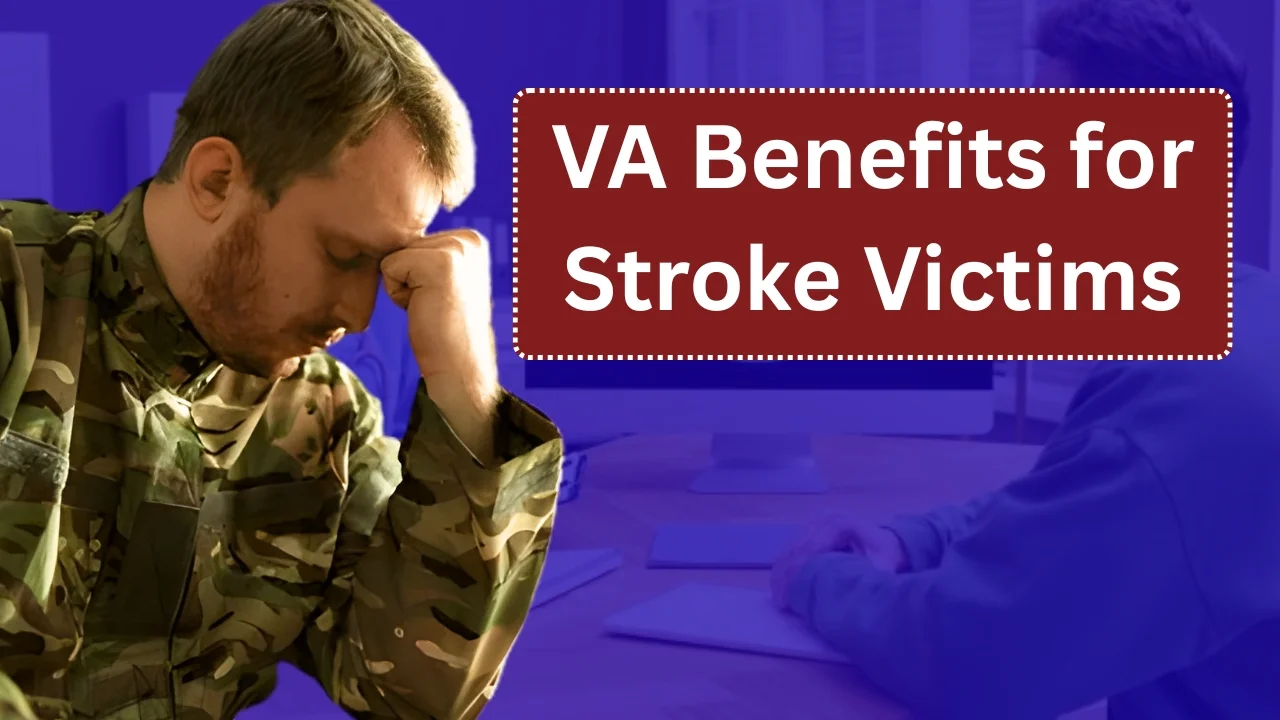
A stroke can change a veteran’s life in seconds. Loss of mobility, speech difficulties, memory problems, and emotional challenges often follow, creating long-term consequences for both veterans and their families. For those whose stroke is connected to military service, VA benefits can provide critical financial support and access to care.
Yes, VA benefits for stroke victims do exist. Understanding how the Department of Veterans Affairs evaluates strokes, assigns disability ratings, and compensates long-term residuals can make a meaningful difference during recovery and beyond.
As one VA neurologist explained, “A stroke is rarely a single event. The residuals often shape a veteran’s quality of life for years, which is why proper evaluation is so important.”
Also Read VA COLA Increase 2026: What Veterans Need to Know About the New Cost-of-Living Adjustment
Overview: VA Benefits for Stroke Victims at a Glance
| Category | Key Information |
|---|---|
| Condition | Stroke or cerebrovascular accident |
| Governing Regulation | 38 CFR § 4.124a |
| Diagnostic Codes | 8007, 8008, 8009 |
| Initial VA Rating | 100% for six months |
| Post-6-Month Rating | Based on residual conditions |
| Minimum Residual Rating | 10% |
| Eligible Connections | Direct, secondary, presumptive |
| Applies To | Veterans with service-connected strokes |
VA Benefits Available for Stroke Victims
Veterans who suffer a service-connected stroke may qualify for VA disability compensation designed to address both immediate recovery needs and long-term impairments. These benefits focus on the lasting effects of a stroke rather than the event alone.
Compensation can help cover lost earning capacity, medical treatment, and long-term care needs. The VA evaluates each case individually, with an emphasis on how stroke-related impairments affect daily functioning.
A veterans’ health advocate noted, “The VA is not just rating the stroke itself. They are rating what the stroke leaves behind.”
Also Read VA Permanently Houses Nearly 52,000 Homeless Veterans in 2025, Marking Strongest Performance Since New Tracking System
Establishing VA Service Connection for a Stroke
To qualify for a stroke VA disability rating, veterans must meet three core requirements:

- A current medical diagnosis of stroke
- Evidence of an in-service event, injury, illness, or aggravation
- A medical nexus linking the stroke to military service
A stroke can be directly service-connected if it occurred during active duty or resulted directly from service-related activities. Veterans may also qualify under secondary service connection when a stroke is caused by an existing service-connected condition.
Common secondary causes include post-traumatic stress disorder, traumatic brain injury, and hypertension. Veterans who were former prisoners of war may qualify for presumptive service connection, meaning the VA presumes the stroke was caused by service without requiring proof of a direct link.
A VA-accredited physician explained, “Secondary service connection is often overlooked, but it is one of the strongest paths for stroke claims.”
How the VA Rates Strokes?
Under 38 CFR § 4.124a, the VA assigns an automatic 100% disability rating for strokes under Diagnostic Codes 8007, 8008, and 8009. This rating applies for six months following the veteran’s final treatment for the stroke.
After six months, the VA conducts a Compensation and Pension examination to assess residual conditions. The stroke itself is no longer rated, but its lasting effects are evaluated individually.
Stroke VA Rating Timeline
| Phase | VA Rating |
|---|---|
| First 6 months after treatment | 100% |
| After reevaluation | Based on residuals |
| Minimum residual rating | 10% |
Residual conditions may include weakness on one side of the body, speech impairment, memory loss, depression, vision problems, or chronic pain. Each residual is rated separately based on severity.
VA Disability Compensation for Stroke Residuals
Stroke residuals are often permanent and can affect nearly every aspect of daily life. The VA assigns ratings only if the stroke itself is service-connected.
A rehabilitation specialist stated, “Residuals like speech loss or paralysis are often more disabling than the stroke event itself.”
Residual conditions commonly evaluated by the VA include:
- Cognitive impairment
- Speech and swallowing difficulties
- Loss of coordination or paralysis
- Chronic pain and numbness
- Mental health conditions such as depression
Each residual receives its own rating, with a minimum of 10%, and combined ratings determine overall compensation.
VA Disability Benefits for Mini-Strokes
Transient Ischemic Attacks, commonly called mini-strokes, may not cause permanent damage but are medically significant. These events can qualify for VA disability benefits if they are linked to military service or result in additional impairments.
According to Centers for Disease Control and Prevention, the risk of a full stroke within 90 days of a TIA can reach 17%. Because symptoms often resolve quickly, many veterans do not report them, missing important documentation.
A VA clinician emphasized, “TIAs are warning signs. Documenting them can protect veterans if a major stroke occurs later.”
Appealing an Unfair Stroke VA Rating
If a veteran believes their stroke VA disability rating does not reflect the true severity of their condition, they have the right to appeal. Appeals may involve submitting new medical evidence, attending additional examinations, or requesting a higher-level review.
Veterans’ advocates consistently stress that appeals are common and often successful when supported by thorough documentation.
Guidance from education-based organizations such as VA Claims Insider can help veterans understand the process and avoid common errors.
Final Thought
VA benefits for stroke victims are designed to acknowledge both the immediate and long-term consequences of a service-connected stroke. From the initial 100% rating to ongoing compensation for residual conditions, these benefits can provide stability during recovery.
Understanding service connection, disability ratings, and the importance of medical evidence is essential. For veterans whose lives have been altered by stroke, proper VA compensation is not just financial support it is recognition of service-related sacrifice and its lasting impact.
FAQs
Do VA benefits exist for stroke victims?
Yes, veterans with service-connected strokes may qualify for VA disability compensation.
What is the VA rating for a stroke?
The VA assigns 100% for six months, then rates residuals.
Can a stroke be service-connected secondarily?
Yes, conditions like PTSD, TBI, or hypertension can cause secondary strokes.
Are mini-strokes eligible for VA benefits?
Yes, if they are service-connected or lead to additional impairment.
Can I appeal my stroke VA rating?
Yes, veterans may appeal if the rating does not reflect severity.