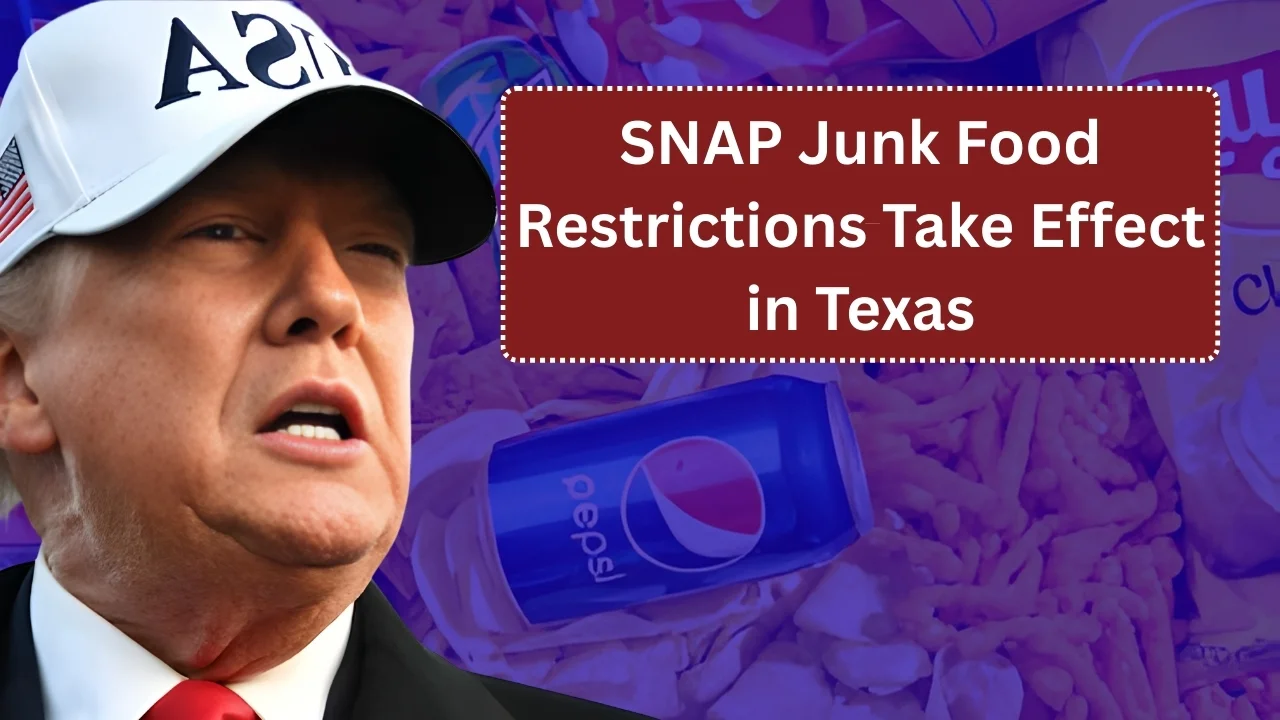
Texas is set to become one of the first major states in the nation to limit what recipients can buy with SNAP (Supplemental Nutrition Assistance Program) benefits, banning purchases of sugary drinks and many junk foods beginning April 1, 2026. This change, approved under a federal waiver from the U.S. Department of Agriculture (USDA), is part of a broader public health effort supported by the Trump administration to encourage healthier food choices among low-income households.
Under the new rules, Texans who rely on SNAP (formerly known as food stamps) will no longer be able to use their Lone Star Card to purchase sweetened beverages, candy, and certain snacks with added sugar or artificial sweeteners. The initiative aims to shift the focus of SNAP benefits toward nutritious foods like fruits, vegetables, lean proteins, and other staple items.
“By restricting unhealthy foods from being purchased with SNAP benefits, Texas can help ensure the health and well-being of Texans,” Governor Greg Abbott said in an official announcement. “The new SNAP guidelines will ensure taxpayer dollars are used to purchase foods that provide real nutritional value.”
Also Read VA COLA Increase 2026: What Veterans Need to Know About the New Cost-of-Living Adjustment
What the New Rules Mean in Texas?
Beginning April 1, 2026, SNAP recipients in Texas won’t be able to use benefits to buy:

- Soda and other sweetened drinks with artificial sweeteners or more than 5 g of added sugar per serving
- Candy bars, gum, taffy, and similar confections
- Candied or sweetened nuts and fruits
- Certain sugary snacks and desserts
However, SNAP benefits will still be valid for purchasing healthy foods such as:

- Fresh fruits and vegetables
- Meat, poultry, fish, and eggs
- Milk, milk substitutes, and 100 % fruit juice
- Bread, rice, pasta, and cereal
Retailers across the state will update point-of-sale systems so that restricted items are automatically blocked when paying with a Lone Star Card.

Overview of Texas SNAP Junk Food Rules (2026)
| Category | Allowed With SNAP | No Longer Allowed With SNAP |
|---|---|---|
| Drinks | 100% fruit juice, milk, unsweetened beverages | Soda, energy drinks, sweetened drinks |
| Sweets | Fresh fruits, unsweetened desserts | Candy, gum, chocolate, sugary snacks |
| Other | Staple foods (bread, eggs, rice, veggies) | Sweetened nuts, coated snacks |
Why the Change Was Made?
USDA has granted food restriction waivers to several states, including Texas, Florida, Colorado, Louisiana, Oklahoma, and West Virginia, allowing them to redefine what SNAP benefits can be used to buy. The Trump administration frames this initiative as part of a larger public health effort to combat diet-related illnesses such as obesity and diabetes by reducing purchases of foods with little or no nutritional value.
The USDA’s Food and Nutrition Service states that restricting purchases to healthier items will help support better dietary outcomes while protecting taxpayer dollars and encouraging nutritious food choices among SNAP participants.
Supporters and Critics
Supporters Say
- The policy encourages healthier eating habits among families.
- SNAP funds will be directed toward foods that offer nutritional value rather than “empty calories.”
- It aligns with efforts to improve public health outcomes, particularly in states with high rates of diabetes and obesity.
Critics Warn
- Restricting purchases may limit personal choice and add complexity to low-income families’ grocery decisions.
- Some food advocates argue that education, rather than prohibition, is a better route to improved nutrition.
- The bans don’t reduce overall food insecurity; money is fungible, meaning people could still buy restricted foods with cash instead of SNAP.
San Antonio Food Bank president Eric Cooper described the change as a start but cautioned that education and access to healthy foods are equally important, or the restrictions alone may have a limited impact on dietary behavior.
SNAP Food Restrictions in 2026
| State | Effective Restriction Date | Items Restricted |
|---|---|---|
| Indiana | Jan. 1, 2026 | Soft drinks, candy |
| Colorado | March 1, 2026 | Soft drinks |
| Texas | April 1, 2026 | Sweetened drinks, candy |
| Florida | April 20, 2026 | Soda, energy drinks, candy, desserts |
| Arkansas | July 1, 2026 | Soda, certain juices, unhealthy drinks, candy |
Final Thoughts
Texas’s new policy limiting the use of SNAP benefits for soft drinks and junk foods starting in 2026 reflects a growing public health-focused shift in how food assistance programs are administered. While supporters say it promotes healthier eating among families, critics argue it complicates grocery purchases and may not reduce unhealthy food consumption as intended.
As more states seek USDA waivers to tailor SNAP purchases to local priorities, SNAP recipients nationwide should stay informed about changing rules, especially if they travel or live near state borders where eligibility differs.
Frequently Asked Questions
When do the Texas SNAP junk food rules take effect?
The new rules go into effect April 1, 2026 for SNAP purchases in Texas.
Can SNAP still be used to buy healthy snacks?
Yes. SNAP benefits can still be used to purchase a wide range of healthy foods, including fruits, vegetables, dairy, grains, and proteins.
Do these rules apply nationwide?
No. These restrictions are state-specific and apply only where USDA waivers have been granted. Different states have different restrictions.
Can someone travel to another state to buy banned items with SNAP?
Yes. SNAP benefits work nationwide, but the rules of the state where the purchase is made determine whether an item can be bought with SNAP.
Does this change SNAP benefit amounts?
No. This change only affects which items can be purchased with benefits, it does not change benefit amounts or eligibility.