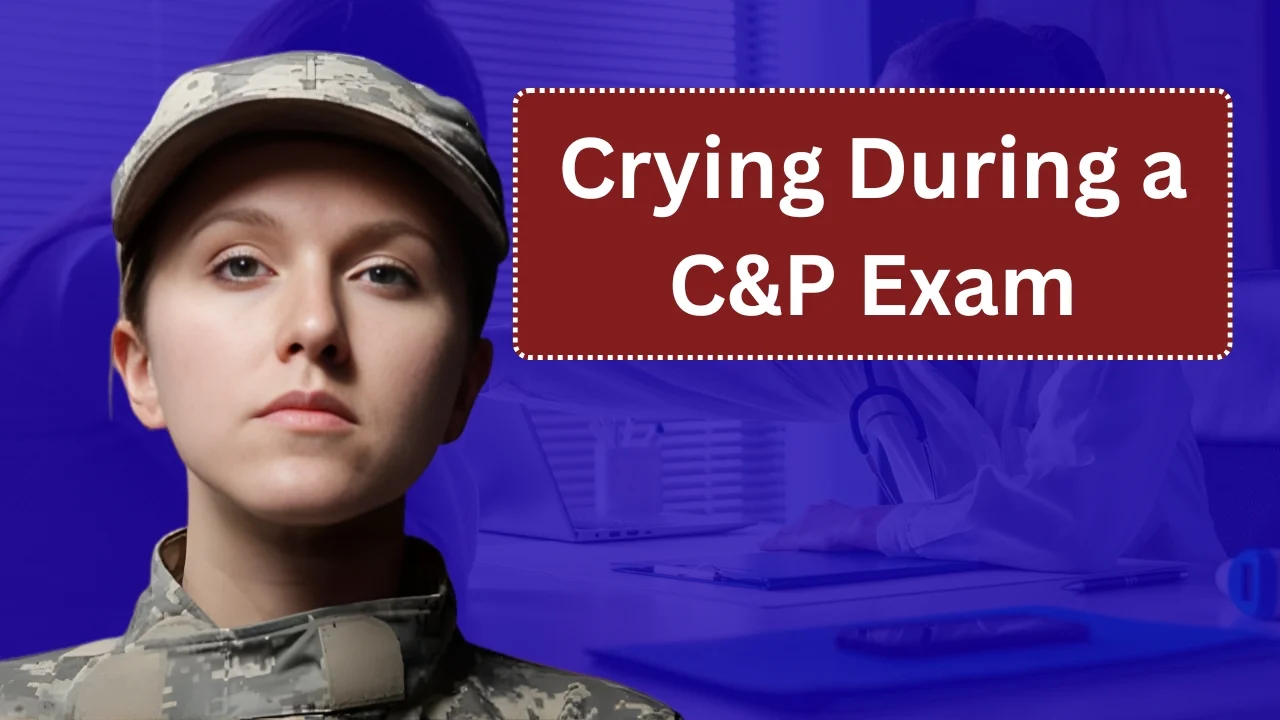
The Compensation & Pension (C&P) exam is one of the most stressful and emotionally intense steps in the VA disability claims process. For many veterans, it’s not just a medical evaluation it’s the first time they are asked to openly discuss deeply personal trauma, mental health struggles, or chronic pain with a stranger.

During these exams, emotions can surface unexpectedly. Veterans may cry while talking about PTSD, depression, anxiety, military sexual trauma, or the daily toll of living with a service-connected condition. This often leads to a common and important question:
Will crying during a C&P exam help or hurt my VA claim?

Crying does not automatically hurt your claim and in many cases, it can actually help, when it reflects a genuine emotional response tied to your disability. This guide explains why emotions surface, how VA examiners interpret them, when crying may raise concerns, and how to approach your C&P exam with confidence when working with the U.S. Department of Veterans Affairs.
Why Veterans Cry During C&P Exams?
C&P exams are designed to evaluate how a disability affects your work, daily life, and social functioning, including functional loss and impairment. That alone makes them emotionally demanding.
Several factors commonly trigger crying during exams:
- Recounting traumatic service events
- Discussing PTSD or military sexual trauma
- Talking about depression, anxiety, or suicidal thoughts
- Describing chronic pain or loss of independence
- Fear of being misunderstood or denied benefits

“The exam can reopen emotional wounds veterans may have avoided for years,” explained by Dr. Karen Holt, clinical psychologist specializing in veteran trauma.

The setting itself can also amplify emotions. Being in a clinical room with an examiner you’ve never met, knowing the outcome may impact your financial stability, and feeling pressure to “prove” your suffering can be overwhelming.
Crying in this context is not weakness it is a normal, involuntary response to stress and trauma.
Crying During a C&P Exam: Does It Help or Hurt?
Crying during a C&P exam is not inherently bad for your VA claim. In fact, when evaluating mental health conditions, it can serve as credible evidence of severity.
For claims involving PTSD, anxiety, depression, or trauma-related disorders, crying may demonstrate:
- Emotional dysregulation
- Heightened distress
- Difficulty discussing triggers
- Severity beyond what words alone convey
“If a veteran becomes emotional when describing symptoms, it can reinforce the reality and depth of impairment,” said by Brian Reese, VA disability expert.
The VA’s goal during a C&P exam is to capture a snapshot of your condition on your worst days, not just how you feel when symptoms are controlled. If crying reflects how your condition truly affects you, suppressing it can actually work against you.
Honesty matters more than composure.
When Crying Could Be Misinterpreted?
While crying is usually not harmful, context matters. There are situations where emotional reactions may be misunderstood if not clearly explained.
For example:
- In a purely physical claim (such as a knee or back condition), crying without explanation may seem unrelated unless tied to pain, frustration, or mental health impact.
- If emotional reactions appear inconsistent with reported symptoms, an examiner may question credibility.
“Examiners look for consistency between reported symptoms, medical records, and observed behavior,” explained by Michael Turner, former VA C&P examiner.
This does not mean veterans should hide emotions. It means emotions should be connected to the disability. If pain causes depression, say so. If physical limitations have led to anxiety or emotional breakdowns, explain that clearly.
Best Practices for Handling Emotions During a C&P Exam
Emotions are natural but preparation helps ensure they are understood correctly.
Mentally Prepare Ahead of Time
If certain topics are triggering, consider discussing them with a therapist before the exam. Review your medical records so you are familiar with what the examiner may reference.
Preparation doesn’t mean suppressing emotions it means understanding them.
Be Uncomfortably Vulnerable
Don’t minimize symptoms or try to appear “strong.” The VA is not evaluating toughness; it is evaluating impairment.
“If your condition brings you to tears, that’s part of the disability picture,” said by Brian Reese.
Describe Your Worst Days
VA ratings are based on how a condition affects you at its worst. If those days include emotional breakdowns, panic, or crying, share that openly.
Use real-life examples:
- Missed work
- Relationship strain
- Isolation
- Inability to function
Bring a Support Person (When Allowed)
A spouse, family member, or trusted friend can provide emotional support and may help document how the condition affects your daily life.
Document the Exam Afterward
Write down:
- What questions were asked
- How you responded emotionally
- Anything you feel was misunderstood
This can be valuable if you later challenge the exam results.
Practice Post-Exam Self-Care
C&P exams can leave veterans emotionally drained. Give yourself time to decompress, talk with someone you trust, or engage in grounding activities. The waiting period afterward can also increase anxiety.
When Crying Might Raise Red Flags?
Crying may raise concerns only if it appears:
- Exaggerated
- Unrelated to the claimed condition
- Inconsistent with medical evidence
If an examiner suspects exaggeration or malingering, it can negatively affect the claim. However, genuine emotional responses tied to documented symptoms are rarely penalized.
“The VA is trained to assess credibility across the entire record, not just one emotional moment,” explained by Angela Morris, veterans law analyst.
Truthfulness and consistency remain the most important factors.
Why This Matters for Your VA Claim?
C&P exams play a major role in VA decisions. Examiners document not only symptoms, but also behavior, affect, and emotional responses. When emotions align with medical evidence, they strengthen a claim.
Veterans who try to “hold it together” often underreport the severity of their condition. That can lead to underratings or denials.
Your story matters and emotions are part of that story.
Final Thought
Crying during a C&P exam is neither good nor bad on its own. It is a natural human response to discussing pain, trauma, and loss especially for veterans living with service-connected disabilities.
When crying reflects the genuine impact of your condition, it can actually help an examiner understand the true severity of your disability. The most important thing is to be honest, open, and consistent.
If tears come, let them come. They are part of your lived experience and telling that story fully can make a real difference in your VA claim.
FAQs
Will crying during a C&P exam hurt my VA claim?
No. When genuine and related to your condition, it usually does not hurt and may help.
Does crying help mental health claims more than physical claims?
Yes. Emotional responses are more directly relevant in mental health evaluations.
Should I try to stop myself from crying?
No. Suppressing genuine emotion can lead to underreporting symptoms.
Can an examiner think I’m exaggerating?
Only if emotions are inconsistent with evidence. Honesty and clarity reduce this risk.
What if I feel emotionally worse after the exam?
This is common. Seek support and practice self-care after the exam.