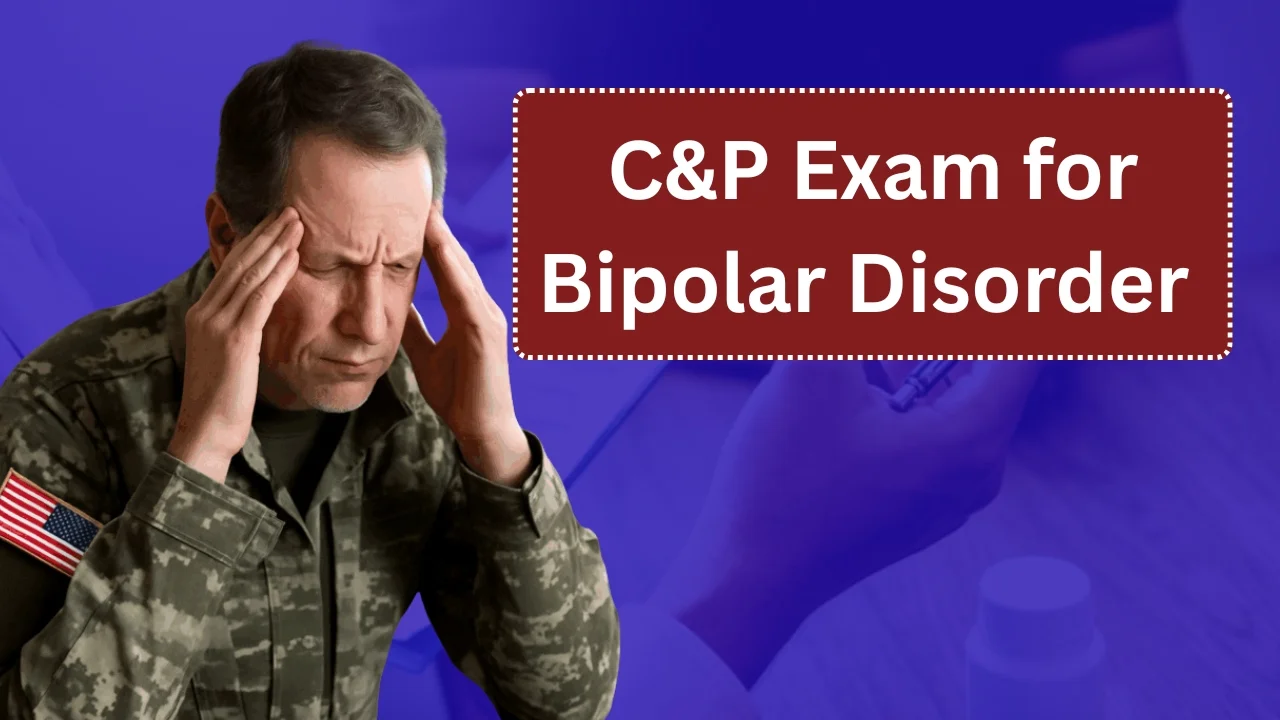
For many veterans, the Compensation & Pension (C&P) exam is the most stressful part of a VA disability claim especially when the condition involves mental health. Talking openly about mood swings, depression, impulsive behavior, or suicidal thoughts with a stranger can feel uncomfortable and exposing.
Yet the C&P exam plays a critical role in how the Department of Veterans Affairs decides bipolar claims. The examiner’s report often becomes the most influential evidence in determining whether your condition is service-connected and how high your VA rating will be.
“The C&P exam doesn’t measure how tough you are it measures how bipolar actually affects your life on your worst days,” says Brian Reese, VA disability expert and veterans’ benefits educator.
Also Read USAA Direct Deposit Dates for VA Disability in December 2025: When Will Your Monthly Payment Be Made?
Knowing what to expect ahead of time helps reduce anxiety and ensures your symptoms are accurately documented.

Types of C&P Exams for Bipolar Disorder
There are three primary types of bipolar C&P exams, depending on your claim status.
Bipolar Initial Exam
This exam occurs when you file a new claim for bipolar disorder. It is usually the longest exam and focuses on diagnosis, service connection, and symptom severity.

Bipolar Increase Exam
If you are already service-connected for bipolar disorder and believe your symptoms have worsened, the VA schedules an increase exam. The examiner compares your current symptoms to your prior rating.
Bipolar Secondary Exam
This exam evaluates whether bipolar disorder was caused or aggravated by another service-connected condition, such as PTSD, TBI, or chronic pain.

“Increase and secondary exams are about change what’s different now compared to before,” explains Laura Mitchell, former Veterans Service Officer (VSO).
Purpose of a VA Bipolar C&P Examination
Every bipolar C&P exam is designed to answer three core questions:
- Diagnosis: Do you meet DSM-5 criteria for Bipolar I, Bipolar II, or Cyclothymic Disorder?
- Service Connection: Was your bipolar caused or worsened by military service or a service-connected condition?
- Severity: How do your symptoms affect occupational and social functioning?
“Severity isn’t based on diagnosis alone it’s based on how symptoms interfere with daily life,” notes Dr. Alan Morrison, PhD, licensed clinical psychologist who conducts VA disability evaluations.
What to Expect During a C&P Exam for Bipolar Disorder?
While every exam is slightly different, most follow a predictable structure.
Medical History Review
The examiner reviews your VA and private medical records, including diagnoses, medications, therapy notes, and hospitalizations.
Symptom Discussion
You will be asked about manic, hypomanic, and depressive episodes, including frequency, duration, and severity.
- Bipolar I: Full manic episodes and major depression
- Bipolar II: Hypomania with severe depression
- Cyclothymic Disorder: Chronic mood instability over time
Impact on Daily Life
Expect detailed questions about work, relationships, sleep, judgment, finances, and impulse control.
Mental Health Evaluation
The examiner may ask about military stressors, trauma, substance use, and treatment history.
Psychological Testing
Standardized tools may be used to assess mood, anxiety, and functional impairment.
Completion of the DBQ
The examiner completes the Mental Disorders Disability Benefits Questionnaire (DBQ), which VA raters rely on heavily.
“Whatever makes it into the DBQ often determines the final rating,” warns James LaPorte, VA-accredited disability attorney.
Common Bipolar C&P Exam Questions
Veterans are commonly asked questions in the following areas:
- Diagnosis and symptom history
- Frequency and severity of manic or depressive episodes
- Occupational challenges and job history
- Social and family relationships
- Hospitalizations or legal issues
- Substance use history
- Ability to manage finances
Being specific rather than vague helps the examiner document severity accurately.
How Occupational and Social Impairment Determines Your VA Rating?
Mental health ratings are based on occupational and social impairment, not test scores alone.
Bipolar VA Rating Levels
| VA Rating | Level of Impairment |
|---|---|
| 0% | Diagnosed, no functional impairment |
| 10% | Mild or transient symptoms |
| 30% | Occasional work impairment |
| 50% | Reduced reliability and productivity |
| 70% | Deficiencies in most areas |
| 100% | Total occupational and social impairment |
“Seventy percent is the most common rating for bipolar because symptoms often affect work, judgment, and relationships,” explains Dr. Morrison.
Key Mental Health Symptoms the VA Evaluates
VA examiners document symptoms listed in the Mental Health DBQ, including:
- Depressed mood
- Anxiety and panic attacks
- Chronic sleep impairment
- Memory loss
- Impaired judgment
- Suicidal ideation
- Impulse control problems
- Difficulty maintaining relationships
- Neglect of personal hygiene
The frequency, severity, and duration of these symptoms matter more than how many you list.
How to Prepare for Your Bipolar C&P Exam?
Preparation improves accuracy and reduces stress.
Preparation: Bipolar C&P Exam Checklist
| Step | What to Do |
|---|---|
| Gather records | Bring diagnoses, treatment notes, meds |
| Track symptoms | Keep a symptom diary |
| Note impacts | Write how bipolar affects work/life |
| Review DBQ | Understand what the VA measures |
| Be honest | Describe worst days, not best days |
“Downplaying symptoms is the fastest way to get underrated,” cautions Brian Reese.
Mental Health Checklists You May See
Examiners often use standardized tools, including:
- Mood Disorder Questionnaire (MDQ)
- PHQ-9 (Depression)
- GAD-7 (Anxiety)
- Structured DSM-5 interviews
These tools support but do not replace the examiner’s clinical judgment.
Why This Exam Is So Important?
The bipolar C&P exam often outweighs years of medical records. A rushed or incomplete exam can lead to denial or a lower rating, while a thorough exam can secure long-term benefits.
“Most bipolar denials aren’t because veterans don’t qualify they’re because the exam didn’t capture the full picture,” says James LaPorte.
Final Thought
A C&P exam for bipolar disorder is challenging, but it does not have to be overwhelming. Understanding the process, preparing your evidence, and speaking honestly about how bipolar affects your life can make a meaningful difference. The goal is not to impress the examiner it is to ensure your reality is accurately reflected so the VA can assign the rating you deserve.
FAQs
Is it okay to be nervous during the exam?
Yes. Nervousness is normal and does not hurt your claim.
Should I bring documents to the exam?
Yes. Bring relevant medical records and notes.
Can bipolar be rated secondary?
Yes, if caused or aggravated by another service-connected condition.
What is the most common bipolar VA rating?
Seventy percent is the most frequently assigned rating.
Can I appeal a bad C&P exam?
Yes. Inadequate exams can be challenged.