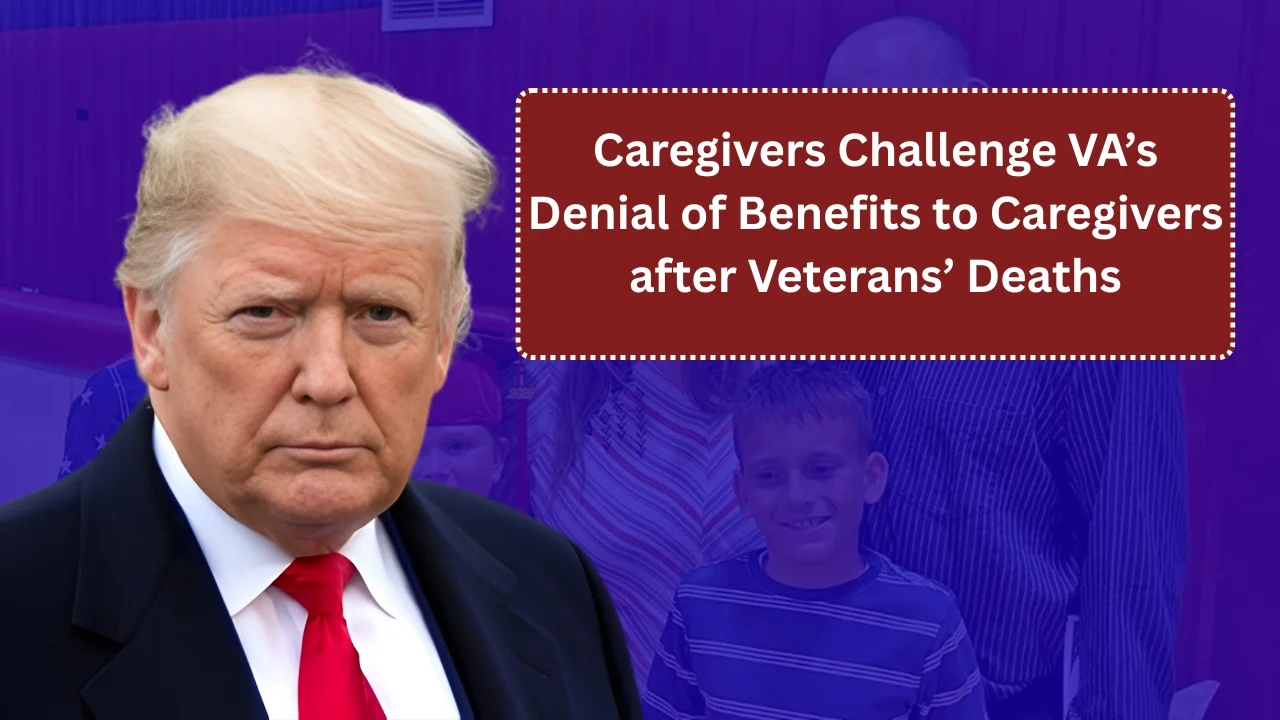
A major legal battle is unfolding in Washington, DC, as former caregivers challenge longstanding VA practices that cut off caregiver benefits when veterans die before appeals are resolved. The lawsuits, filed in 2025, argue that the Department of Veterans Affairs is unlawfully denying benefits to family caregivers who provided extensive, unpaid care while waiting—often for years for VA decisions.
At the center of the dispute is the VA’s Program of Comprehensive Assistance for Family Caregivers (PCAFC), which provides monthly stipends, training, and support to family members caring for severely disabled veterans. Caregivers say the VA’s current policy ignores the reality of their service and sacrifices, creating a system that rewards delay and penalizes families during their most vulnerable moments.
According to advocates, these cases could reshape how the VA treats caregiver appeals nationwide, potentially unlocking compensation for thousands of families who were denied benefits solely because a veteran passed away during the appeals process.
Overview of PCAFC
| Program Element | Details |
|---|---|
| Monthly Stipend | Based on level of care required |
| Training | Mandatory caregiver education |
| Healthcare Access | CHAMPVA eligibility in many cases |
| Mental Health Support | Counseling and respite services |
| Eligibility Basis | Veteran’s service-connected disabilities |
Who Is Challenging the VA and Why?
Two caregivers, Sharon Presley and Shyrl Bolton-Pellerin, filed motions seeking class action status in federal court. Both women cared for Vietnam-era Army veterans with severe, service-connected disabilities.
Sharon Presley cared for her father, whose declining health required near-total assistance. Despite strong medical evidence, the VA denied PCAFC benefits, and while the appeal was pending, her father passed away. The Board of Veterans’ Appeals then dismissed the case without reviewing the merits.
Shyrl Bolton-Pellerin cared for her husband, who suffered from service-connected cancer. VA initially indicated eligibility and even advanced her through caregiver training. After her husband’s death, the VA reversed course and denied benefits, again refusing to consider the substance of the appeal.
“These cases reflect a pattern, not an accident,” said Zachary Stolz, a partner involved in the litigation, noting that caregivers are routinely denied once a veteran dies, regardless of evidence.
Also Read VA Permanently Houses Nearly 52,000 Homeless Veterans in 2025, Marking Strongest Performance Since New Tracking System
Key Legal Issue: Denial Without Reviewing the Merits
The caregivers argue that the VA is systematically refusing to hear appeals on the merits when a veteran dies before admission into PCAFC. Instead, the Board has reasoned that because PCAFC requires prospective admission, benefits cannot be granted retroactively.
Advocates claim this interpretation is unlawful and unfair, especially since many caregivers fully qualify but are harmed by VA processing delays.
“Caregivers are the invisible backbone of veterans’ health care,” Stolz stated, emphasizing that denying earned benefits after years of care undermines the purpose of PCAFC.
Eligibility Rules at the Heart of the Dispute
Normally, PCAFC eligibility depends on several factors.
| Requirement | Explanation |
|---|---|
| Veteran Status | Honorable discharge |
| Disability | Serious service-connected condition |
| Care Need | Assistance with daily living |
| Caregiver Role | Family member or close support |
| Approval Timing | Decision by VA Caregiver Program |
The lawsuits argue that when eligibility is proven before death, VA should still grant retroactive caregiver benefits.
Benefits Caregivers Say They Earned
Caregivers describe PCAFC benefits not as future assistance, but compensation for years already spent providing care that saved the VA millions in institutional costs.
Lost Benefits Due to Denials
| Benefit Type | Impact of Denial |
|---|---|
| Monthly Stipend | Lost income despite years of care |
| Healthcare Access | Loss of CHAMPVA coverage |
| Training Recognition | Completed requirements dismissed |
| Emotional Support | Abrupt program termination |
“This denial adds insult to injury,” said Renee Burbank, Director of Litigation at NVLSP. She explained that caregivers often experience financial and emotional hardship following a veteran’s death, making the loss of benefits particularly devastating.
Recent Legal Developments in 2025
Caregivers recently gained the right to appeal PCAFC denials to the Board of Veterans’ Appeals, a major milestone. However, lawyers argue the win is hollow if the Board refuses to decide cases once a veteran dies.
The current cases ask the U.S. Court of Appeals for Veterans Claims to intervene and order VA to hear caregiver appeals on their merits, even posthumously.
Why This Legal Challenge Matters?
The outcome could affect thousands of caregivers nationwide. If successful, the case may force VA to:
- End blanket dismissals tied to a veteran’s death
- Review caregiver appeals based on evidence
- Pay retroactive PCAFC benefits
- Reform delays that currently disadvantage families
Burbank warned that the current system “rewards delay and punishes devotion,” adding that caregivers deserve recognition, not erasure.
Broader Impact on Veteran Healthcare
Caregivers often prevent early institutionalization and reduce healthcare system costs. Advocates argue that cutting off earned benefits discourages families from stepping into caregiver roles in the future.
Legal experts say this case could establish precedent reinforcing that benefits earned during a veteran’s life do not disappear because of VA delays.
What Happens Next?
The court will first decide whether the cases can proceed as class actions. If granted, VA could be required to reassess thousands of past PCAFC denials tied to veterans’ deaths during appeals.
For caregivers, the lawsuit represents more than money it is about recognition, dignity, and fairness.
FAQs
Can caregivers receive benefits after a veteran’s death?
Under current VA practice, benefits are usually denied, but this is being legally challenged.
What is PCAFC?
It is the VA’s comprehensive caregiver support program offering stipends and services.
Why are caregivers appealing denials?
Because appeals are dismissed without review if the veteran dies during VA delays.
Who might benefit from this case?
Any caregiver whose PCAFC appeal was denied solely due to a veteran’s death.
What could change if caregivers win?
VA may be forced to award retroactive benefits and hear appeals on their merits.