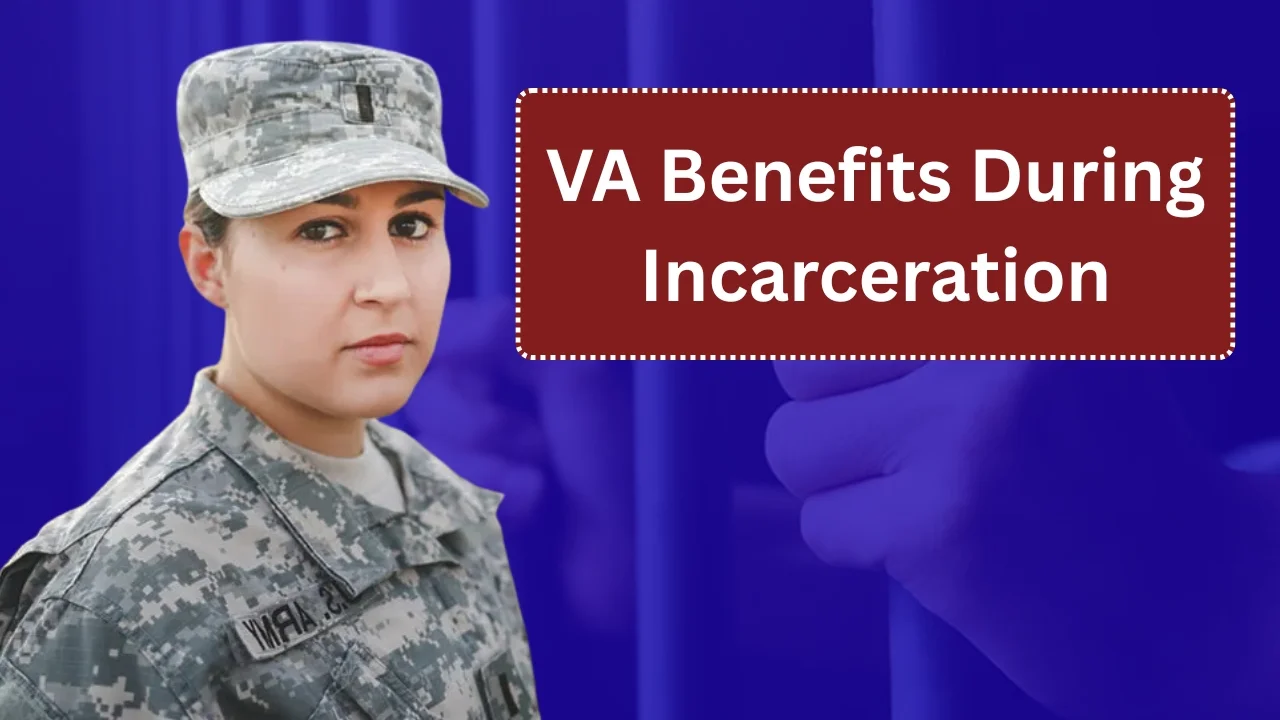
If you’re a veteran facing incarceration or supporting someone who is you may be asking a difficult but important question: Do you lose VA disability benefits if you go to jail?
The short answer is no, you do not automatically lose your VA benefits just because you’re incarcerated. However, federal law places specific limits and reductions on certain benefits depending on the type of conviction, length of incarceration, and the benefit involved.
In this in-depth guide, VA benefits expert Brian Reese explains exactly what happens to VA disability compensation, pensions, education benefits, and healthcare during incarceration and how veterans and their families can protect and restore those benefits.
“Incarceration doesn’t erase your service or your entitlement to VA benefits but it does change how and when those benefits are paid,” explains Brian Reese.
Overview: VA Benefits and Incarceration at a Glance
| VA Benefit Type | What Happens During Incarceration | Key Rule |
|---|---|---|
| VA Disability Compensation | Reduced after 60 days only for felony convictions | 38 CFR § 3.665 |
| VA Pension | Stopped entirely after 61 days (felony or misdemeanor) | Income-based benefit |
| VA Education Benefits | Tuition-only for felonies; full benefits for non-felonies | Depends on conviction |
| Apportionment for Dependents | Possible for spouse/children if they apply | Based on financial need |
| VA Health Care | Suspended during incarceration; resumes after release | Facility provides care |
| TDIU Status | Rating remains, payment reduced | Cannot assign TDIU while incarcerated |
| Benefit Restoration | Fully restorable after release | Faster if VA notified early |
Can Veterans Receive VA Benefits While Incarcerated?
Yes, but with important restrictions.
Veterans remain legally entitled to VA benefits while incarcerated, but payments may be reduced or suspended depending on:

- Whether the conviction is a felony or misdemeanor
- How long the incarceration lasts
- Which type of VA benefit is involved (compensation, pension, education, etc.)
Understanding these rules is critical to avoiding overpayments, debt, or delays in reinstatement after release.

How Incarceration Affects VA Disability Compensation?
Under 38 C.F.R. § 3.665, VA disability compensation is reduced after the 60th day of incarceration following a felony conviction.
VA Disability Compensation Reduction Rules
| VA Disability Rating | Monthly Payment While Incarcerated (2025) |
|---|---|
| 20% or higher | Reduced to the 10% rate ($175.51/month) |
| 10% rating | Reduced by 50% ($87.75/month) |
Key Exceptions
- Misdemeanor convictions do not trigger a reduction
- Work-release programs, halfway houses, and community control do not count as incarceration for VA reduction purposes
- Benefits are fully restorable after release
“The VA doesn’t punish veterans by taking away benefits but Congress does limit payments during felony incarceration,” notes Brian Reese.
VA Pension Benefits While Incarcerated
VA pension benefits follow much stricter rules than disability compensation.
- VA pension payments stop completely after the 61st day of incarceration
- This applies to both felony and misdemeanor convictions
- Payments resume only after release and eligibility review
Because pension benefits are income-based, incarceration disqualifies veterans from receiving payments during confinement.
“Failing to notify the VA about incarceration can lead to massive overpayments and debt,” warns Brian Reese.
VA Education Benefits and Incarceration
Education benefits vary depending on the conviction:
Felony Convictions
- VA will only reimburse tuition, fees, and supplies
- Monthly housing allowance (MHA) is not paid
Non-Felony Convictions
- Veterans may continue receiving full education benefits, including stipends
Halfway Houses / Work-Release
- Veterans may still qualify for full education benefits
Apportionment: How Families Can Still Get Support?
When a veteran’s benefits are reduced or stopped due to incarceration, eligible dependents may receive payments through apportionment.
Who Can Receive Apportionment?
- Spouse
- Children
- Dependent parents
What VA Considers
- Financial need of dependents
- Veteran’s reduced benefit amount
- Special circumstances or hardship
“Apportionment can be a lifeline for families but dependents must actively apply,” explains Brian Reese.
Dependents who are themselves incarcerated for a felony are not eligible for apportionment.
VA Healthcare While Incarcerated
Veterans remain eligible for VA healthcare, but:
- VA cannot provide treatment inside prisons or jails with their own medical systems
- VA healthcare eligibility reactivates immediately upon release
Programs like Health Care for Re-Entry Veterans (HCRV) help reconnect veterans to care after incarceration.
Programs for Justice-Involved Veterans
1. Health Care for Re-Entry Veterans (HCRV)
Supports veterans with:
- Housing assistance
- Employment resources
- VA healthcare re-enrollment
- Reentry planning
2. Veterans Justice Outreach (VJO)
Focuses on diversion and treatment instead of incarceration by connecting veterans to:
- Mental health services
- Substance abuse treatment
- VA benefits assistance
“These programs exist to prevent veterans from falling through the cracks during and after incarceration,” says Brian Reese.
Resuming VA Benefits After Release
Full VA benefits can be restored but timing matters.
Steps to Restore Benefits
- Notify VA 30 days or less before release if possible
- Provide official release documentation
- File reinstatement immediately after release
Effective Date Rules
- VA notified within 1 year → benefits restored to release date
- VA notified after 1 year → benefits resume from notification date
Important Legal Considerations
- VA uses data matching with the Bureau of Prisons (BOP) and SSA
- Failure to report incarceration can lead to overpayments
- Veterans have the right to appeal benefit reductions
- Benefits are fully restored retroactively if a conviction is overturned
Final Thought
Incarceration does not erase your service or your entitlement to VA benefits but it does change how those benefits are paid.
“The biggest mistake veterans make is staying silent. Notify the VA, protect your family, and plan for reinstatement early,” emphasizes Brian Reese.
Understanding these rules can prevent debt, protect dependents, and ensure your benefits are restored quickly once you’re released.
FAQs
Do I lose VA disability benefits if I go to jail?
No. Benefits may be reduced after 60 days for felony convictions but are not eliminated.
Are VA benefits reduced for misdemeanor convictions?
No. Misdemeanor incarceration does not trigger disability compensation reductions.
Can my family receive VA money while I’m incarcerated?
Yes. Eligible dependents can apply for apportionment.
How fast can benefits be restored after release?
If VA is notified within one year, benefits can be restored retroactively to your release date.
Does incarceration affect TDIU status?
The TDIU rating remains, but payment is reduced under incarceration rules.