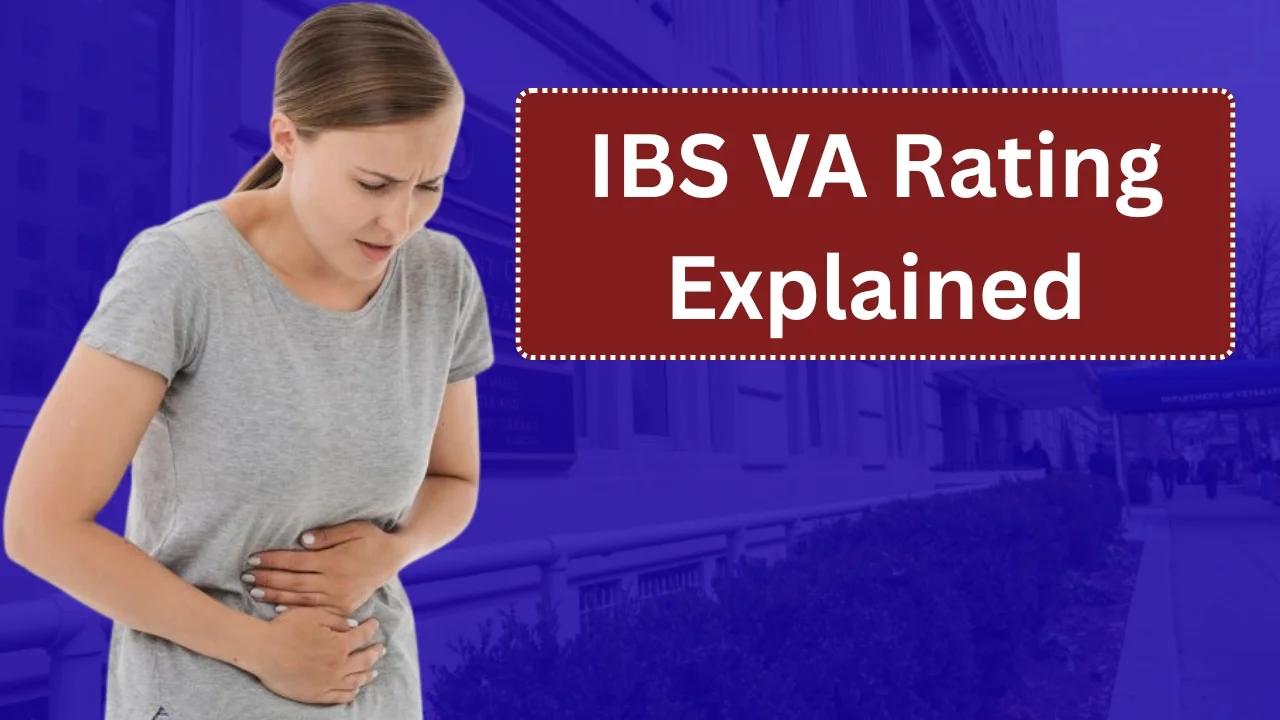
Irritable Bowel Syndrome (IBS) is a chronic gastrointestinal (GI) disorder that causes a range of symptoms, including abdominal pain, bloating, and changes in bowel habits such as diarrhea and constipation. For many veterans, IBS is a serious condition that can significantly impact daily life, including their ability to work, socialize, and engage in regular activities.

The U.S. Department of Veterans Affairs (VA) recognizes IBS as a compensable VA disability, especially for Gulf War veterans or those whose symptoms were triggered or worsened by military service. If you’re a veteran dealing with IBS, understanding how the VA rates the condition, how to prove service connection, and the appeal process is crucial for maximizing your benefits.
Key Features of the IBS VA Rating
The VA disability rating system evaluates IBS based on the frequency and severity of symptoms such as abdominal pain, bloating, and changes in bowel habits. Your IBS rating can range from 10% to 30%, depending on the impact the condition has on your daily life. The VA uses Diagnostic Code (DC) 7319 to rate IBS, with the following criteria:

| Criteria | Rating % | Symptoms |
|---|---|---|
| Abdominal pain at least once per week and two or more symptoms | 30% | Symptoms include changes in stool frequency/form, bloating, urgency, straining, or mucorrhea (mucus in stool). |
| Abdominal pain at least three days per month and two or more symptoms | 20% | Similar symptoms as above, but with less frequent abdominal pain. |
| Abdominal pain at least once in three months with two or more symptoms | 10% | Less frequent abdominal pain and fewer symptoms, still disrupting daily activities. |
How the VA Rates IBS?
IBS can be rated under DC 7319, based on the severity and frequency of symptoms like abdominal pain, bloating, and changes in stool consistency. The VA uses the following criteria to determine your rating:
10% Rating
A 10% rating is given if you experience abdominal pain related to bowel movements at least once in the past three months, with two or more additional symptoms such as changes in stool form, bloating, or altered stool passage.

20% Rating
A 20% rating is assigned if you experience abdominal pain at least three days per month and meet two or more of the following symptoms: changes in stool frequency, stool form, bloating, or urgency.
30% Rating
A 30% rating is the highest possible rating under DC 7319, given if you experience abdominal pain at least once a week, and two or more of the following symptoms: changes in stool form, stool frequency, bloating, urgency, or mucorrhea.

How to Prove IBS for VA Disability?
To be eligible for a VA rating for IBS, veterans must provide certain evidence to establish service connection. Here’s how you can prove IBS for a VA disability claim:
- Current Medical Diagnosis:
A confirmed diagnosis of IBS from a healthcare provider is essential. Medical records from a VA or private provider showing the symptoms and treatment history are crucial. - In-Service Event or Aggravation:
You need evidence that IBS symptoms either began during your service or were aggravated by an in-service event, injury, or condition. - Medical Nexus:
A medical nexus letter from your doctor linking your IBS to your service is vital. This letter must explain how your military service (such as exposure to stress, medications, or environmental factors) directly caused or worsened your IBS.

Is IBS a Gulf War Presumptive Condition?
Yes, the VA recognizes IBS as a presumptive condition for veterans who served in the Gulf War era (August 2, 1990, to the present). If you served in certain locations during the Gulf War, you may not need to prove that your service caused IBS. Instead, you must provide:
- A current diagnosis of IBS.
- Evidence that symptoms have lasted at least six months.
- Proof of service in the Gulf War area, which includes regions like Iraq, Kuwait, and Saudi Arabia.
For Gulf War veterans, IBS is treated as part of a medically unexplained chronic multi-symptom illness under 38 CFR § 3.317, meaning the VA may automatically assume your IBS is connected to your service.
IBS as a Secondary Condition
In addition to being a presumptive condition for Gulf War veterans, IBS can also qualify as a secondary service-connected condition. This means that IBS may develop or worsen as a result of another service-connected disability. For example:
- PTSD, chronic stress, or depression can disrupt the gut-brain axis, leading to or exacerbating IBS symptoms.
- Medications used for other service-connected conditions, such as NSAIDs, antibiotics, or painkillers, can irritate the GI tract and trigger IBS symptoms.
If you believe your IBS is secondary to another service-connected disability, you will need:
- A diagnosis of both IBS and the primary condition.
- Medical evidence showing that the primary condition caused or worsened your IBS.
“Veterans with PTSD often experience gut-brain axis disruptions, which can directly lead to IBS. Connecting these dots through a strong nexus letter is key to securing benefits.” Dr. Sarah Miller, VA Gastroenterologist
C&P Exam for IBS
The C&P exam is a critical part of the VA disability claim process. It serves to:
- Confirm your IBS diagnosis.
- Assess the severity of your symptoms.
- Determine if your IBS is related to your military service.
During the exam, the VA examiner will review your medical history and may ask questions about your symptoms, including how often they occur, how they affect your daily life, and what triggers them.
“The C&P exam is essential because it allows examiners to evaluate not just the physical symptoms of IBS but also how these symptoms impact the veteran’s daily life, including work and social activities.” Dr. Robert Johnson, VA Medical Officer
Denied IBS VA Claim? Your Appeal Options
Bring medical records, a symptom diary, and any private medical opinions to the C&P exam. These documents can provide additional support for your claim.
If your IBS VA claim is denied, you have appeal options:
- Supplemental Claim: If you have new and relevant evidence, you can file a Supplemental Claim.
- Higher-Level Review: If you believe the VA made an error in evaluating your claim, you can request a Higher-Level Review without submitting new evidence.
- Board of Veterans’ Appeals: If you disagree with the decision or want a Veterans Law Judge to review your case, you can file an appeal to the Board of Veterans’ Appeals.
“Appealing a denied claim is never easy, but gathering more medical evidence, such as a nexus letter, can significantly improve your chances of success.” Mark Thompson, VA Claims Expert
Final Thought
IBS is one of the most common gastrointestinal disorders affecting veterans, and it can have a significant impact on daily life. Whether your IBS is related to stress, medication, or exposure during service, the VA offers disability benefits to veterans who meet the eligibility requirements. Understanding how to prove service connection, gather medical evidence, and navigate the appeal process will increase your chances of securing the proper VA rating and benefits.
FAQs
What is the VA rating for IBS?
The VA rates IBS under Diagnostic Code 7319. The rating ranges from 10% to 30% based on the frequency and severity of symptoms like abdominal pain and changes in bowel movements.
Is IBS a presumptive condition for Gulf War veterans?
Yes, IBS is considered a presumptive condition for Gulf War veterans who served in specific regions during the Gulf War era. Symptoms must last at least six months.
Can IBS be secondary to PTSD or other conditions?
Yes, IBS can develop or worsen due to PTSD, anxiety, or medications prescribed for other service-connected disabilities.
How do I get IBS service connected?
To get IBS service connected, you need a current IBS diagnosis, evidence of an in-service event, and a medical nexus linking your condition to your military service.
What is the highest VA rating for IBS?
The highest VA rating for IBS is 30%. If your symptoms severely limit your ability to work or function, you may be eligible for higher compensation through Total Disability based on Individual Unemployability (TDIU).