If you’re a Veteran using service-connected prosthetic or orthopedic devices, or prescribed skin medications that damage your clothing, you may qualify for the VA Clothing Allowance. This tax-free annual benefit helps reimburse Veterans whose equipment or medication prematurely wears out their outer garments.

For 2026, a 2.8% COLA increase will apply to your VA Clothing Allowance. This update will take effect December 1, 2025, with payments arriving starting January 1, 2026.
As Jeffrey Green, a Veterans’ service officer, explains, “The COLA increase in 2026 helps Veterans keep up with rising costs, especially for those who have unique clothing-related needs due to their service-connected conditions.”
Also Read VA COLA Increase 2026: What Veterans Need to Know About the New Cost-of-Living Adjustment
What Is the VA Clothing Allowance?
The VA Clothing Allowance is an annual lump-sum payment for Veterans whose service-connected disabilities require the use of prosthetics, orthopedic devices, or prescribed skin medication that damages their clothing. The payment helps offset the cost of replacing or repairing garments that are irreparably damaged due to these devices or medications.

Eligible Garments:
- Shirts and blouses
- Pants, shorts, skirts, and similar outerwear
Ineligible Garments:

- Shoes, socks, underwear, hats, scarves, etc.
According to Susan Mitchell, a VA claims expert, “Veterans need to be aware of what counts as an outer garment this distinction is key to making sure you receive the appropriate benefit for your needs.”
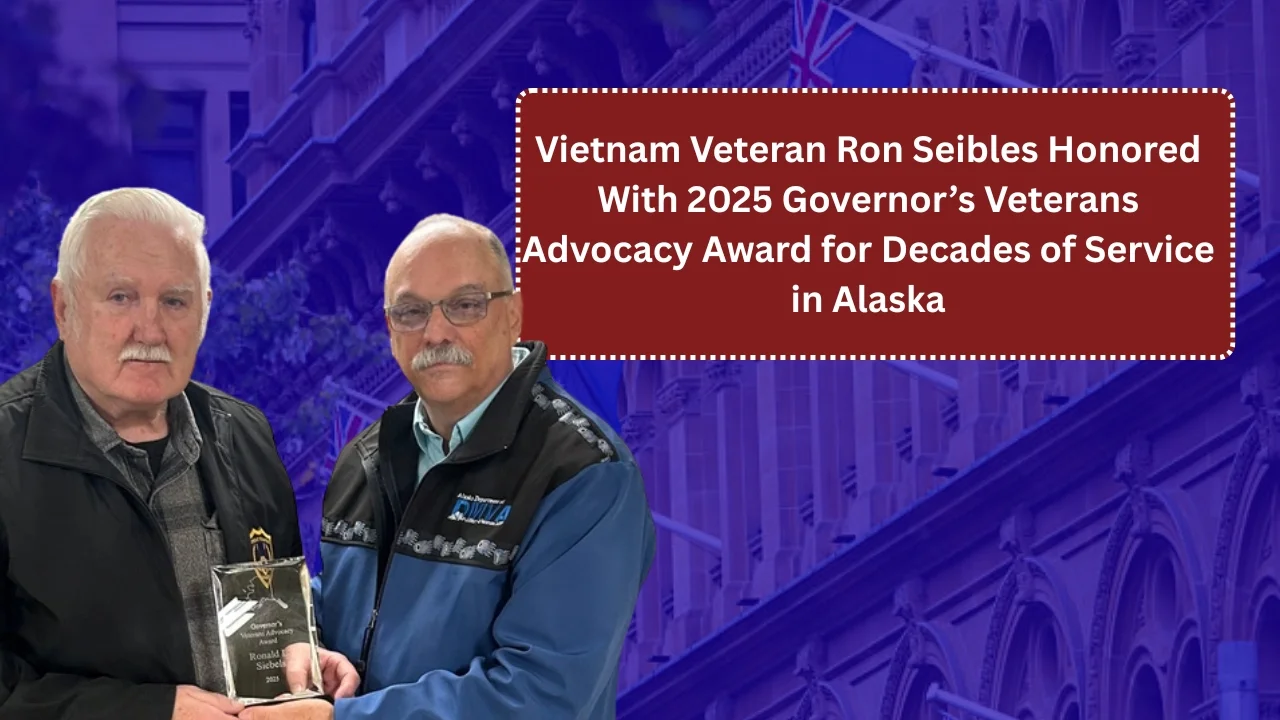
Also Read Vietnam Veteran Ron Seibles Honored With 2025 Governor’s Veterans Advocacy Award for Decades of Service in Alaska
2026 VA Clothing Allowance: New Amounts with 2.8% COLA
For 2026, the 2.8% COLA increase adjusts the payment to $1,053.19 per allowance. Here’s the breakdown:
| Number of Allowances | 2026 VA Clothing Allowance |
|---|---|
| 1 allowance | $1,053.19 |
| 2 allowances | $2,106.37 |
| 3 allowances (distinct garment types) | $3,159.56 |
| 4 allowances (distinct garment types) | $4,212.74 |
Note: If you have multiple qualifying items that damage the same garment type (e.g., both a knee brace and skin medication ruining pants), you could receive two allowances for that garment type.
Eligibility: Who Qualifies?
To qualify for the VA Clothing Allowance, you must meet the following criteria:
- Service-connected disability (or disability under 38 U.S.C. §1151)
- Use of a qualifying prosthetic or orthopedic device that wears/tears outer garments or prescribed skin medication that irreparably damages clothing.
Multiple Allowances: How They Work?
You may receive multiple allowances if more than one garment type is affected. For example:
- One allowance per distinct garment: A knee brace ruins pants and a shoulder brace ruins shirts; this qualifies you for two separate allowances.
- Two allowances for one garment type: If multiple qualifying items (e.g., a knee brace and eczema medication) damage the same garment type, you’re eligible for two allowances for that one garment.
Jeffrey Green highlights, “It’s crucial for Veterans to document each item that causes wear or staining to their clothing, as this could mean additional allowances.”
Deadlines and Payment Window
To receive your 2026 VA Clothing Allowance, you must qualify or submit your application by August 1, 2025. The VA typically processes applications and issues payments between September 1 and October 31 each year.
Auto-Renewal
Since December 29, 2022, the VA will automatically renew your clothing allowance annually if your circumstances haven’t changed. You don’t need to reapply unless:
- It’s your first time applying, or
- You’re seeking an additional allowance for a new item that damages your clothing.
How to Calculate Your 2026 Clothing Allowance?
Step-by-Step Guide
- List qualifying items: This includes prosthetic devices, orthopedic appliances, and prescribed medications.
- Match each item to a damaged garment type: Upper (shirts) or lower (pants).
- Count allowances:
- One allowance for each distinct garment type damaged.
- Two allowances if multiple items damage the same garment.
- Multiply by $1,053.19 for each qualifying allowance.
Examples:
- Example 1 (Two garment types): A shoulder brace ruins shirts, and a knee brace ruins pants → 2 allowances → $2,106.37.
- Example 2 (Same garment type, combined effect): A knee brace and eczema medication both ruin pants → 2 allowances for pants → $2,106.37.
How to Apply (or Confirm You’re Set for 2026)?
If you’ve been receiving the clothing allowance since 2022/2023 and there are no changes to your qualifying devices or medications, you generally do not need to reapply due to the automatic renewal rule.
If it’s your first time applying or you want to request an additional allowance, you must submit VA Form 10-8678 to your local VA Prosthetic & Sensory Aids Service (PSAS) by August 1, 2025.
Evidence Tips for Your Application
To ensure your application is approved, make sure you have:
- Proof of your service-connected condition and how it requires the use of the appliance or medication.
- Documentation showing how the appliance or medication damages your outer garments (abrasion, tearing, irreparable staining).
Final Thought
The VA Clothing Allowance offers essential financial assistance to Veterans whose clothing is damaged by service-connected prosthetics, appliances, or prescribed skin medications. By understanding the eligibility requirements, deadlines, and how the 2.8% COLA affects your allowance, you can ensure that you are receiving the full amount you’re entitled to.
FAQs
Does the clothing allowance increase by 2.8% in 2026?
Yes. The 2.8% COLA increase for 2026 results in a new amount of $1,053.19 per allowance.
What counts as “outer garments”?
Eligible garments include shirts, blouses, pants, shorts, skirts, and similar items. Shoes, socks, underwear, hats, and scarves are not covered.
Can I get more than one clothing allowance?
Yes, you can receive one allowance per distinct garment type or two allowances if multiple qualifying items together increase damage to the same garment type.
Do I need to reapply every year?
No. If your situation hasn’t changed, the VA will automatically renew your allowance. Reapply only if it’s your first claim or if you’re seeking an additional allowance.
What proof do I need to submit?
Provide documentation showing the service-connected condition, the appliance or medication used, and how it damages your clothing.
What if the stains come out in the wash?
Stains that can be removed by normal laundering or dry cleaning do not qualify for the clothing allowance.